
When someone visits your website, they’re trusting you with more than just their attention. They might be filling in an enquiry form, creating an account, or entering sensitive payment details, and they expect that information to be kept safe.
That’s the job of an SSL certificate. It’s one of the most basic parts of a secure website, and it’s also one of the first things browsers and search engines check. Without one, visitors see a “Not secure” warning, which is enough to put most people off before they’ve read a word.
You may have heard that SSL helps your SEO, but it’s not always clear how much it actually matters. The answer is more nuanced than “install it and your rankings will rise”.
In this blog, we’ll explore what an SSL certificate is, how it affects SEO, the benefits beyond rankings, and what to check to make sure your website is set up properly.
What is an SSL certificate?
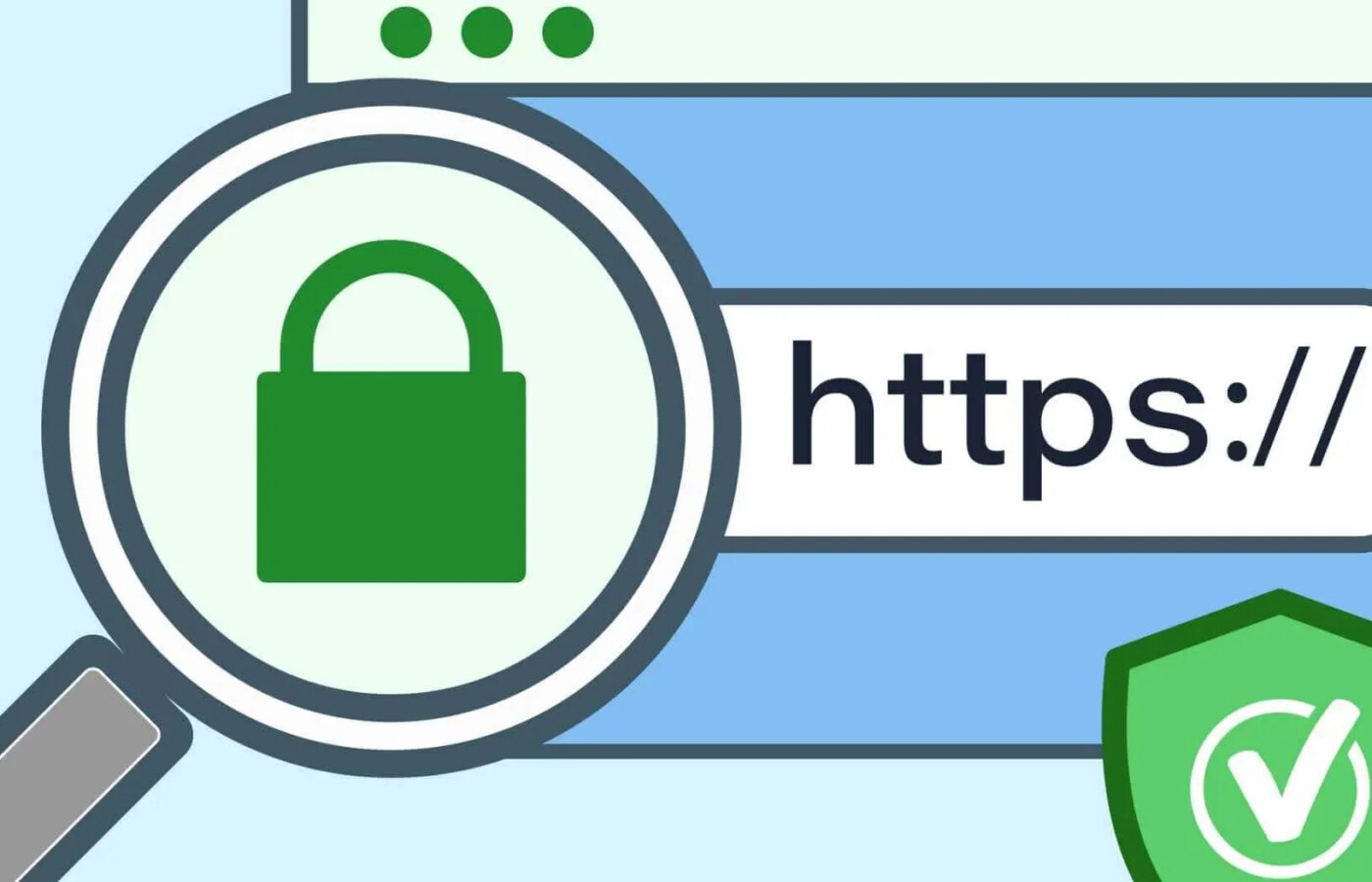
An SSL certificate is a small digital file that proves a website’s identity and encrypts the data travelling between the website and the visitor’s browser. It’s what turns a website address from “http” into “https” and shows the padlock icon in the browser bar.
SSL stands for Secure Sockets Layer. Technically, modern websites use its successor, TLS (Transport Layer Security), but the name “SSL certificate” has stuck.
An SSL certificate helps to:
- Encrypt information such as form submissions, logins, and payment details
- Confirm that visitors are connected to the genuine website, not an imitation
- Stop data being read or changed as it travels across the internet
- Show browsers and search engines that the site is secure
Certificates are issued by a certificate authority (CA) and need renewing regularly. Many hosting providers install and renew them automatically, just like we do here at Fifteen.
Does SSL improve SEO?
Yes, but it’s a small direct factor with some bigger indirect benefits. Google confirmed in 2014 that HTTPS is a ranking signal, and it’s now part of what Google considers a good page experience. In practice, though, it works more like a tie-breaker than a shortcut to page one, as we explore more below.
It’s a confirmed, but lightweight, ranking signal
If two pages are similar in every other way, the secure one has a slight advantage. But an SSL certificate on its own won’t outrank a competitor with stronger content, a faster website, or a better backlink profile.
That’s why it’s best to think of SSL as a foundation:
- It’s something every website needs to have
- It won’t make up for weak content or technical issues
- It works alongside your wider SEO strategy, not instead of it
No single factor guarantees rankings. SSL simply removes one reason for search engines to favour a competitor’s site.
It protects your click-through rate
Since 2018, Google Chrome has labelled any page without HTTPS as “Not secure”, and other browsers do something similar. Those warnings appear before people have even seen your content.
For search, that matters because:
- People are less likely to click through to a site flagged as insecure
- Visitors who do arrive are more likely to leave straight away
- Fewer clicks and shorter visits make it harder to build visibility over time
An SSL certificate removes those warnings, so your website gets a fair chance with every visitor.
It supports a faster website
Modern web technologies that help websites load faster, such as HTTP/2, rely on HTTPS in practice. Some browser features, like location services, also only work on secure sites.
That means HTTPS is part of the technical foundation that supports speed and Core Web Vitals, both of which play a role in how your website performs in search.
What are the benefits of SSL beyond SEO?
While the SEO benefits are useful, the biggest reasons to have an SSL certificate are about trust and security. Here are some other key benefits of an SSL certificate for your website:
Building trust with your visitors
The padlock icon is a small detail, but it reassures visitors that your website is legitimate and their information is safe. That’s particularly important for websites that ask people to share personal details, such as enquiry forms, membership areas, or online shops.
Protecting your customers’ data
Any website that collects personal information has a responsibility to protect it. Encrypting that data is a basic security measure and an important part of meeting your data protection obligations under UK GDPR.
Supporting conversions
People are far more willing to complete a form, create an account, or make a purchase when they feel confident their information is secure. A missing or expired certificate can stop enquiries and sales in their tracks.
What types of SSL certificates are there?
There are a few different types of SSL certificates, which vary in how thoroughly the website owner is checked. These include:
- Domain validated (DV) – this confirms you control the domain. It’s quick to issue and suitable for most business websites.
- Organisation validated (OV) – this also checks that the organisation behind the website is genuine.
- Extended validation (EV) – this involves the most detailed checks, often used by larger organisations and financial services.
There are also wildcard certificates, which cover all subdomains, and multi-domain certificates, which cover several different domains. From an SEO point of view, all types provide the same benefit. The right choice depends on your website and how much verification your audience expects.
How to check your website is set up correctly
Having an SSL certificate is the first step, but it’s also important to make sure it’s working properly across your whole website. Some ways to check it’s working include:
- Every page uses HTTPS – make sure all HTTP versions of your pages redirect to HTTPS with permanent 301 redirects.
- There’s no mixed content – any images, scripts, or stylesheets that load over HTTP can trigger browser warnings even on HTTPS pages.
- Your internal links and canonical tags use HTTPS – this is so search engines see one consistent version of each page.
- Your XML sitemap and Search Console property are up to date – this helps Google crawl and index the secure version of your site.
- Your certificate renews automatically – an expired certificate brings back the warnings and can disrupt your traffic overnight.
A tool like Screaming Frog or a technical SEO audit can quickly highlight any of these issues. You can also use our free instant SEO audit as a starting point.
We can help build your SEO on secure foundations
The strongest search performance is built on solid technical foundations. While an SSL certificate on its own won’t push you to the top of the results, a website without one is starting from behind, with browser warnings, lost trust, and missed opportunities.
By making sure your website is fully secure, correctly configured, and properly maintained, businesses can protect their visitors, support their search visibility, and give every page a fair chance to rank and convert. Our SEO team can check these foundations as part of every audit we conduct.
At Fifteen, we specialise in keeping websites fast, secure, and visible. From SSL installation and HTTPS migrations, to ongoing monitoring and technical audits, our expert team helps businesses build search performance on foundations they can trust.
Get in touch with us today to discuss how we can help you create a secure website that performs for your customers and your business.