
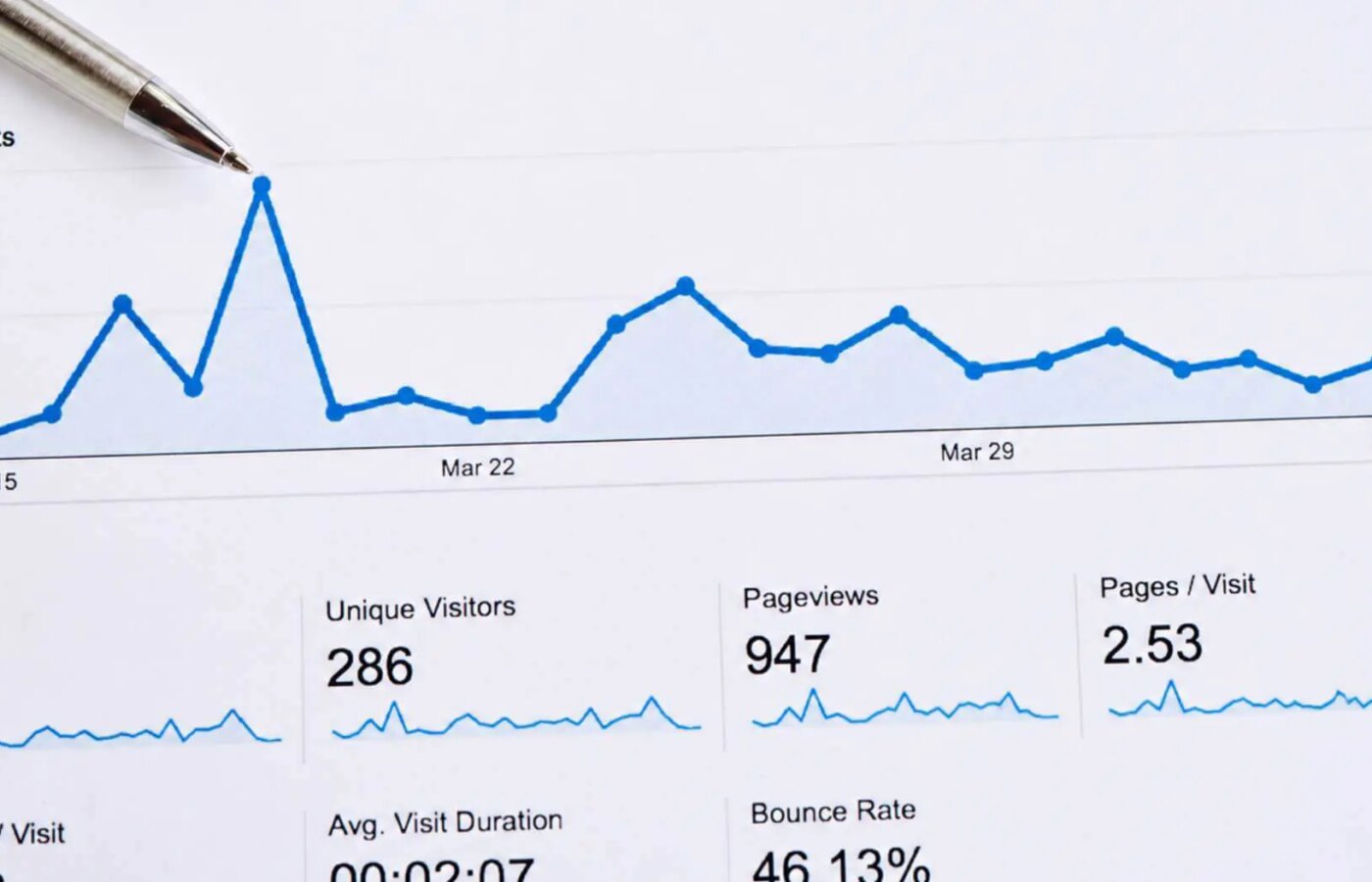
If you’ve ever checked your website’s ranking only to see it move up one day and drop the next, you’re not alone. Google rankings fluctuate constantly, and while this can feel frustrating, it’s a natural part of SEO. These movements are usually a reflection of how Google interprets relevant, user intent, and competition – not a sign that your site is underperforming.
In this blog, we’ll explain the main reasons for your Google ranking changes and provide practical strategies to help your business maintain consistent visibility.
Why do Google rankings fluctuate?
Google is a dynamic search engine. Rankings are never static because the algorithm continuously evaluates content quality, relevance, and user experience.
Here’s why you might see your position shift often:
Algorithm updates
Google frequently updates its algorithms to deliver more accurate and relevant results. These updates can range from minor tweaks to major changes, which can affect how pages rank for specific queries. Staying informed about regular updates or page experience adjustments can help you anticipate potential ranking fluctuations.
Competitor activity
SEO is a competitive game. While you optimise your content, competitors are doing the same – publishing new content, earning backlinks, and improving technical SEO. Even small changes from your competitors can influence your relative ranking, that’s why keeping an eye on competitor strategies is crucial for maintaining visibility.
Search intent evolution
Google prioritises content that matches user intent. Even slight differences in keyword phrasing – such as singular, plural, or long-tail variations – can change how Google interprets a search. Understanding SEO keyword variations and how they reflect user needs is key to staying relevant across search queries.
Content relevance and freshness
Content that’s updated, comprehensive, and relevant performs better in search. Pages that become outdated or incomplete can slip in rankings as Google favours fresh and authoritative material. Performing regular content audits, updates, and expansions ensure your pages remain competitive over time.
Technical SEO factors
Technical elements like page speed, mobile usability, structured data, and proper indexing play a significant role in rankings. Even minor technical issues, such as broken links, missing alt-tags, or slow-loading pages, can lead to ranking shifts. However, maintaining robust technical SEO can help stabilise your positions.
User engagement signals
User interactions provide indirect signals to Google about content quality. Metrics such as click-through rates, dwell time, bounce rates, and conversions indicate how helpful and relevant your pages are. Low engagement can result in drops in rankings, while high engagement reinforces authority and relevance.
Do keyword variations play a role in Google ranking changes?
Keyword variations can have a significant impact on how your pages rank in Google. Even small differences in phrasing, such as singular and plural wording, synonyms, or long-tail variations, can influence which pages appear for a given search query.
Google evaluates SEO keyword variations to better match the user’s intent, meaning the same page may perform differently depending on the exact keyword being used.
For example:
- A page optimised for ‘designer block’ may rank differently than one for ‘designer’s block’
- Users searching for ‘conversion copywriting’ may have slightly different intent than those searching for ‘copywriting for conversions’
These subtle differences matter because Google isn’t just looking for exact matches, it’s looking for content that satisfies the underlying intent behind the search.
By understanding and incorporating keyword variations in your content strategy, you can capture a wider range of relevant searches, reduce volatility caused by fluctuations in search intent, and ensure your content remains relevant as Google updates its algorithm or adjusts rankings.
However, it’s important to remember that optimising for keyword variations isn’t about keyword stuffing. Instead, it’s about using natural language and addressing the different ways your audience might search for information, products, or services.
When done correctly, this approach strengthens your pages’ relevance and helps maintain more stable rankings over time.
7 tips to navigate Google ranking fluctuations
While you can’t control how Google rankings fluctuate, there are some practical steps you can take to reduce volatility and maintain a strong SEO performance:
1. Monitor performance regularly
Make sure you track both primary and secondary keywords consistently to identify trends, spot sudden drops, or detect opportunities for optimisation. Monitoring allows you to understand which pages are performing well and which might need adjustments before small issues turn into larger ranking problems.
2. Prioritise content quality
When creating any type of content, you should focus on creating content that’s comprehensive, accurate, and aligned with user intent. High-quality content not only satisfies your audience but signals to Google that your pages are authoritative and relevant, which can help stabilise rankings over time.
3. Optimise for keyword variations
Be sure to include singular, plural, long-tail, and related terms naturally within your content. This ensures your pages capture a broader range of relevant searches, reduces the impact of minor algorithm changes, and positions your site as comprehensive within its topic.
4. Maintain strong technical SEO
You should ensure your site is fast, mobile-friendly, properly indexed, and uses structured data where relevant. Technical stability creates a solid foundation for your content to rank consistently and prevents unexpected drops caused by technical issues.
5. Build authoritative backlinks
Try and earn high-quality links from reputable, relevant websites to strengthen your site’s authority. A strong backlink profile signals trust worthiness to Google, which can help buffer your rankings against minor fluctuations.
6. Analyse user engagement
Always evaluate metrics such as click-through rates, dwell time, and conversions to see how users interact with your content. High engagement indicates value to readers and reinforces your pages in search results, while low engagement can highlight areas for improvement.
7. Strategic competitor activity
Keep track of competitor activity and look for any new content they publish, backlinks they acquire, or technical improvements they make to their site. This insight allows you to adapt your strategy proactively without overreacting to every minor ranking change.
Need professional help with your Google ranking changes?
Google rankings fluctuate for many reasons including algorithm updates, changing search intent, content relevance, and technical issues. While some movement is inevitable, a proactive, strategic approach can help you stay visible.
At Fifteen, this is exactly what we do. We help businesses navigate Google ranking changes by focusing on strengthening technical SEO, optimising for keyword variations, and creating content strategies that reduce volatility while driving consistent growth.
If you need expert guidance to stabilise your SEO and improve visibility, don’t hesitate to get in touch with our specialists today.